
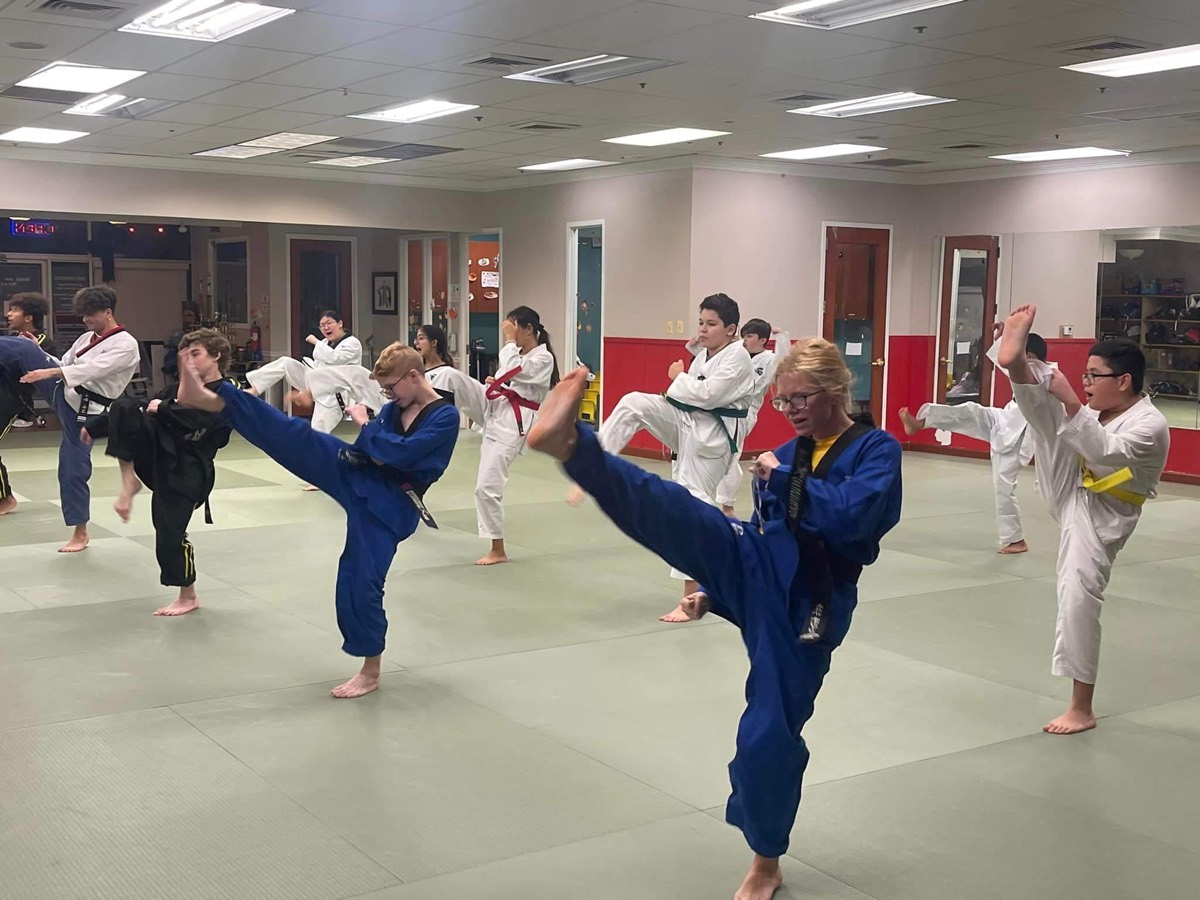
Kukkiwon certification is an official Dan or Poom black belt credential issued by Kukkiwon, the World Taekwondo Headquarters in Seoul, South Korea. It means your rank is recorded in Kukkiwon’s system and recognized internationally. It does not automatically tell you someone’s character, teaching skill, or how “tough” their school is.
Here’s the part most articles skip: Kukkiwon certification is best understood as proof of lineage and paperwork, not proof of day-to-day training quality. It’s valuable. It’s just not magic.
What is Kukkiwon certification, in plain English?
Kukkiwon certification is the global registry record for Taekwondo black belts under the Kukkiwon system. When someone earns a Kukkiwon-issued Dan (adult) or Poom (youth) rank, Kukkiwon issues a certificate number and records that rank under the person’s name and birthdate.
Kukkiwon is not “a style” by itself. It’s the headquarters that standardizes Kukkiwon Taekwondo, which is the technical foundation used by World Taekwondo (WT) sport sparring and many schools worldwide. You can see Kukkiwon describe its role and mission as the World Taekwondo Headquarters on Kukkiwon’s official English site.
If you’ve heard people say “WT Taekwondo,” this is the ecosystem they mean. World Taekwondo governs international sport competition rules (think Olympic-style sparring), while Kukkiwon handles rank standards and instructor education. World Taekwondo lays out that governing role on the World Taekwondo website.
What does Kukkiwon certification actually mean for a student?
It means your black belt rank is recognized beyond your local school. If you move, change schools, join the military, or train overseas, a Kukkiwon certificate is a common “shared language” other Taekwondo schools understand.
In real life, I see families care about Kukkiwon certification for three practical reasons:
- Transferability: A new school can verify your rank without guessing if your belt is “real.”
- Continuity: If you test again later (2nd Dan, 3rd Dan), your rank builds on an official record.
- Clarity: It reduces arguments about what a black belt is supposed to know, because there’s a published standard.
But here’s what it doesn’t mean: it doesn’t guarantee the student can spar well, has great self-control, or trained safely.
Kukkiwon sets technical benchmarks and policies. Your day-to-day results come from coaching, class structure, mat time, and how seriously the school treats basics.
How is Kukkiwon different from “a black belt from my school”?
A school-issued black belt is awarded by that school and usually only has weight inside that organization. A Kukkiwon-certified black belt is issued by Kukkiwon and recognized worldwide.
| Question | School-issued rank | Kukkiwon certification |
|---|---|---|
| Who records the rank? | The local school | Kukkiwon (international registry) |
| Will another school recognize it? | Maybe | Often, yes |
| What does it prove? | You met that school’s standard | You met Kukkiwon’s standard and the rank was filed |
| Is quality guaranteed? | No | No |
Some schools do both. Some do only one. Neither choice automatically makes a school good or bad.
If you’re comparing programs for your child, treat Kukkiwon like a credential that can add legitimacy, not as the whole story. You’ll get more clarity if you also think about the best age to start martial arts and how that matches your child’s stage.
How do Dan and Poom ranks work, and why do kids sometimes get “Poom”?
Dan ranks are typically adult black belt ranks. Poom ranks are youth black belt ranks. A child can earn a Poom rank, then later convert to the equivalent Dan rank when they reach the eligible age under Kukkiwon rules.
This matters because parents sometimes worry that a “Poom black belt” is a watered-down belt. It’s not supposed to be. It’s a way to recognize a child’s progress while keeping age-appropriate expectations in place.
What’s the practical difference between Poom and Dan?
The day-to-day training can look identical in a good school: basics, forms, sparring skills, and behavior standards. The difference is administrative. Kukkiwon uses Poom to separate youth rank records from adult Dan records and handle age conversion policies.
If you want the source straight from the organizations involved, USA Taekwondo (the U.S. national governing body recognized by the U.S. Olympic and Paralympic Committee) explains its role and structure on the USA Taekwondo page on Team USA, and it operates within the World Taekwondo framework.
How can a parent verify Kukkiwon certification without taking anyone’s word for it?
You can verify by checking the certificate details and matching them to the student, and in many cases by using Kukkiwon’s own verification tools or school support channels. Don’t be shy about asking. A legit school hears this question all the time.
Here’s the simple checklist I’d use at the front desk:
- Ask to see the Kukkiwon certificate (or a clear photo). Look for the Kukkiwon name, the rank (Dan/Poom), and the certificate number.
- Confirm the student name spelling and birthdate match. Typos happen, but mismatches should be explained and corrected.
- Ask who submitted the application. Schools that file Kukkiwon ranks should be able to explain their process in plain language.
If a school gets defensive about this question, that’s useful information.
Kukkiwon periodically updates how verification is handled through its systems and notices, so the most reliable place to start is still Kukkiwon’s official site and whatever current verification options they publish there.
Does Kukkiwon certification mean a school is safe and well-run?
No. It means the rank paperwork is recognized. Safety and teaching quality are separate issues, and you can spot them faster by watching one class than by reading ten certificates.
Here’s my unhedged take: if you’re choosing a kids’ martial arts program, class management matters more than the banner on the wall. A clean, consistent class with clear rules beats a messy class taught by someone with fancy credentials every time.
What to look for when you watch a kids class:
- Clear boundaries: kids know where to stand, when to talk, and how to get help.
- Active supervision: instructors are moving, correcting, and scanning the room.
- Safe contact rules: sparring is controlled, with gear and stop signals that kids actually follow.
- Real basics: you see stances, chambers, balance work, and repetition. Not just games for the whole hour.
If you want a widely accepted reference point for youth sport safety culture, the CDC’s guidance on youth sports safety is a solid baseline. Taekwondo has its own specifics, but the fundamentals are the same: supervision, rules, and an environment where kids can speak up.
What’s the connection between Kukkiwon certification, Olympic sparring, and “World Taekwondo”?
Kukkiwon is the headquarters that standardizes rank and technical content. World Taekwondo is the international governing body for the sport side, including the rules used in Olympic-style sparring. They’re related, but they don’t do the same job.
Here’s the clean way to remember it:
- Kukkiwon: rank standards, Dan/Poom certification, instructor education programs.
- World Taekwondo: sport governance, competition rules, international events.
If your child competes, the sport rules and safety requirements come from the competition organizations, not from the Kukkiwon certificate itself. World Taekwondo’s role as the sport governing body is described on the World Taekwondo website.
Also, Kukkiwon forms (poomsae) and sport sparring aren’t enemies. In a good program, they support each other. Forms build balance, posture, and body control. Sparring teaches distance, timing, and staying calm under pressure.
When should you care most about Kukkiwon certification?
You should care most when you want rank that travels well. If your family might move, if your teen might train in college, or if you want a clean paper trail to higher Dan ranks later, Kukkiwon matters.
It matters less when your child is brand new and nervous.
For a beginner, the best “certification” is a class they’ll actually attend consistently. Two classes a week for a year beats an impressive credential hanging in a lobby while your child quits after a month.
That said, when families ask us about it at Dynamic Kick Martial Arts, we explain where Kukkiwon certification fits in the bigger picture: it’s a recognized standard, and it’s one piece of a well-run program. We’ve been in Northern Virginia since 2000, and the families who do best are the ones who focus on steady attendance and good coaching, not shortcuts.
If you’re trying to choose between schools, bring this short list with you and write the answers down after each trial class:
- Did my child feel safe and clearly guided?
- Did the instructor correct technique, not just cheer?
- Were higher belts helpful, or were they running wild?
- If we moved, would this rank be recognized (Kukkiwon or otherwise)?
That’s the decision path that keeps you out of the weeds, especially when you pair it with a simple sense of signs your child is ready for martial arts.
Sources
- Kukkiwon official site + Kukkiwon
- World Taekwondo official site + World Taekwondo
- USA Taekwondo page on Team USA + United States Olympic & Paralympic Committee (Team USA)
- CDC guidance on youth sports safety + Centers for Disease Control and Prevention
- Olympics.com overview of Taekwondo + International Olympic Committee