Pick the school that’s safest, clearest, and most consistent, not the one with the flashiest website. You’re looking for a class where the instructor can control the room, explain expectations in plain language, and help a nervous kid settle in. Watch one class, ask specific questions, and trust what you see more than what you’re promised.
What should I look for first when choosing a martial arts school?
Start with three basics: safety, structure, and how they handle kids who are shy, wiggly, or overwhelmed. You can learn more from 20 minutes of watching a class than from 20 reviews. If you’re also wondering about the best age to start martial arts, that decision fits into the same picture of safety and structure.
- Safety: clear warm-ups, controlled contact, and instructors who stop unsafe behavior fast.
- Structure: kids know where to stand, what to do, and what happens next.
- Emotional tone: corrections are calm and specific, not sarcastic or shouty.
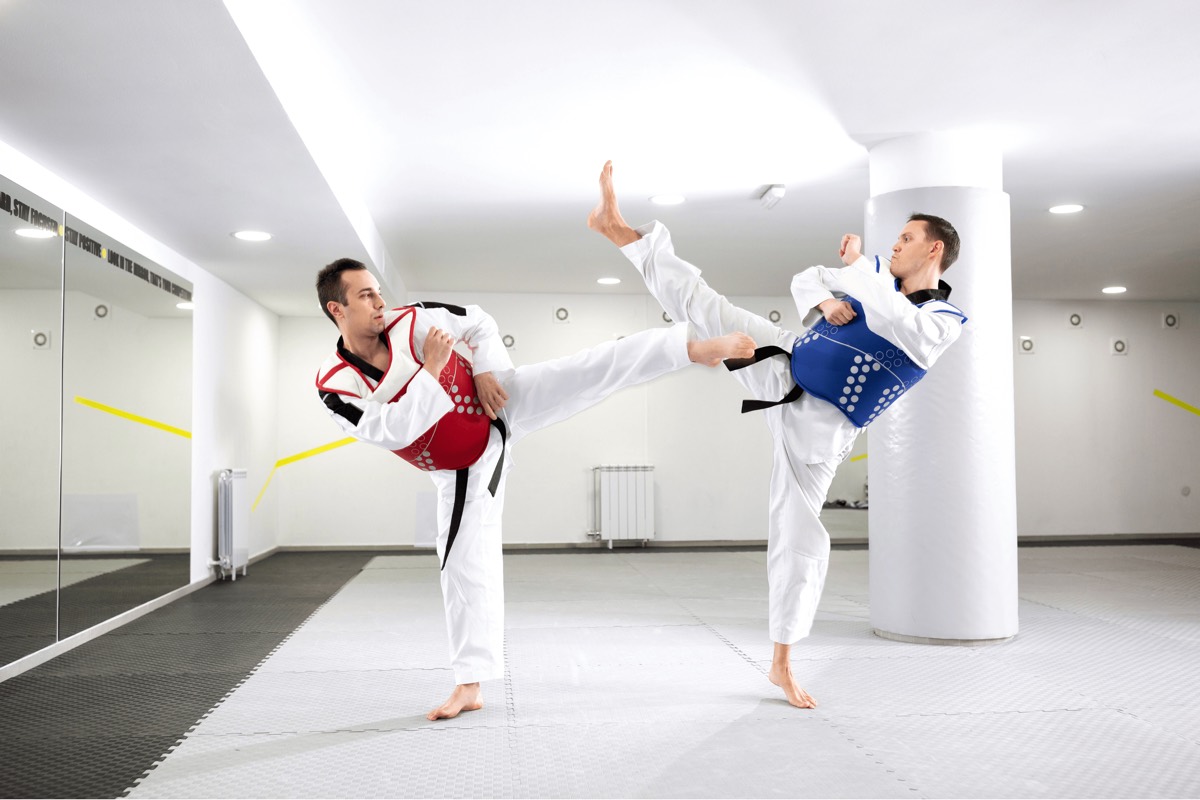
If you’re deciding between styles (Taekwondo, karate, jiu-jitsu, etc.), don’t overthink the label at first. For most families, the day-to-day teaching matters more than the art name. That said, if you want an Olympic-style, kick-focused art with formal patterns and a clear belt system, Taekwondo is often a good fit. World Taekwondo outlines the sport side of TKD and how it’s organized globally (World Taekwondo’s overview).
One thing I’ll say plainly: a school that won’t let you observe a real class is a no.
How can I tell if a class is safe and well-run?
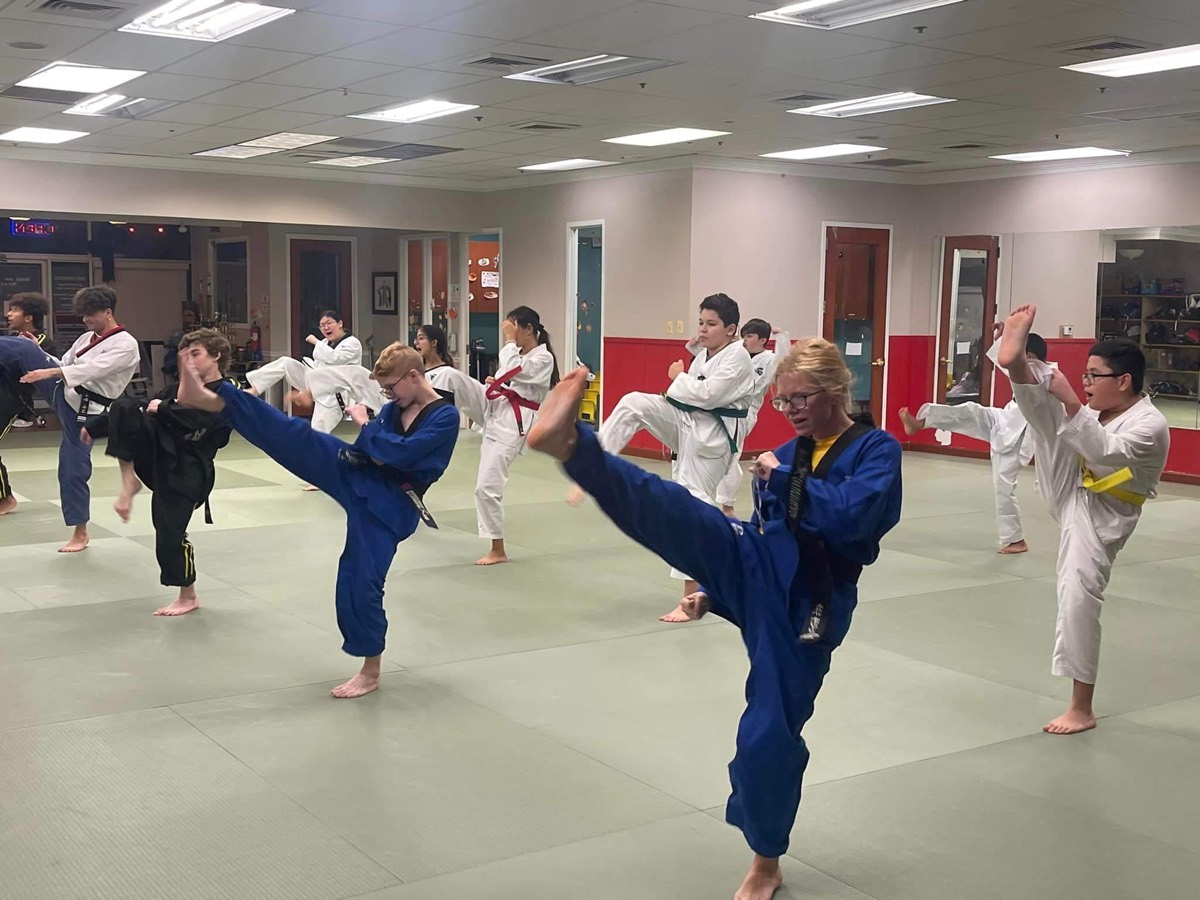
A safe class looks “boring” in the best way. Kids move, but they’re not wandering. Contact is supervised. The instructor is watching the whole room, not just the loudest kid.
Quick safety checks you can do from the viewing area
- Warm-up is age-appropriate. Four- and five-year-olds aren’t doing long holds or punishing conditioning.
- Partner drills have rules you can hear. “Light touch,” “control,” “stop means stop,” and instructors enforce it.
- There’s a plan for injuries. You should see a first-aid kit, and staff should be able to explain their incident process.
- Kids aren’t being “toughened up” through pain. Soreness from exercise is normal. Pain from being pushed past limits isn’t.
If your child has asthma, joint issues, sensory sensitivities, or ADHD, you’re not asking for special treatment by mentioning it. You’re giving the staff the info they need to coach safely. The CDC’s guidance on physical activity for children is a helpful baseline for what “healthy movement” looks like across ages, including the idea that kids need activity, but also need it scaled to them.
What questions should I ask at the front desk (and what answers matter)?
Ask questions that force clear, specific answers. You’re not trying to catch anyone. You’re trying to see if the school has thought through the parts that affect your kid.
- “How do you handle a child who won’t participate on day one?” Look for: a calm plan, not pressure. If you’re unsure whether your child is ready, it can help to look at common signs a child is ready for martial arts before you visit.
- “What happens if my child is disruptive?” Look for: safety-first boundaries, plus coaching, not humiliation.
- “How do belt promotions work?” Look for: clear requirements and standards, not vague “everyone advances.”
- “Can I see a written fee sheet?” Look for: transparent pricing and what’s included. This is where you’ll also notice how their numbers compare to typical martial arts costs for kids.
- “Who teaches most classes?” Look for: consistent lead instructors, not a rotating cast of teenagers running the floor.
A good school can answer those without getting defensive. If the person you’re speaking with can’t explain basics like promotion criteria or class supervision, that’s useful information.
Also ask about communication. If your child struggles, will you hear about it early, or only when it turns into a bigger issue? The best programs don’t wait for problems to get loud.
How do I judge whether the instructor can actually teach kids?
Look for coaching, not just demonstrating. Plenty of adults can throw a great kick. Teaching a seven-year-old to do it safely, with balance and self-control, is a different skill.
Here’s what strong kid instruction looks like in real time:
- Short directions. One step at a time.
- Specific corrections. “Turn your toes out,” not “do it better.”
- Positive control of the room. The instructor doesn’t negotiate with chaos.
- Kids get chances to succeed. You’ll see a drill adjusted so most of the class can do it, then it builds.
Pay attention to how they handle the “middle kids,” not just the naturals. A well-run class pulls along the child who’s trying hard but struggling.
If you want a simple litmus test, watch for this: does the instructor spend the whole class reacting, or do they lead the class through a plan?
What should I know about belts, testing, and “real” black belts?
You’re not being picky by asking if a black belt is recognized outside that building. You’re being practical. If your child trains for years, you want their rank to mean something beyond a single location.
Different arts handle rank differently, and many are legitimate. In Taekwondo, one widely recognized credentialing body is Kukkiwon, the World Taekwondo Headquarters in Korea. Kukkiwon has issued millions of certificates over time, which is part of why the credential is portable across schools and even countries (Kukkiwon’s official site). If you want a deeper dive into what this means, there’s more detail in our guide on what Kukkiwon certification says about a black belt.
Here’s the key detail parents usually don’t hear until late: Kukkiwon issues certificates centrally and offers certificate issuance and lookup services. That means a rank can be verified independently of the local school (Kukkiwon certificate services).
So if your family moves, a school closes, or your child comes back to training as an adult, a centrally registered certificate is still on record. A “local-only” belt may be perfectly meaningful inside that school, but it usually won’t have the same outside verification.
What is Poom vs Dan for kids?
If a child earns a black belt before age 15 in the Kukkiwon system, they receive a Poom rank rather than a Dan rank. “Poom” was established as a term in 1975 to denote black belt holders under 15 (Wikipedia’s Kukkiwon entry).
A Poom certificate isn’t a pretend black belt. It’s the recognized youth black belt credential within that system, and it converts to the equivalent Dan rank when the holder is old enough.
How do I compare schools without getting lost in the details?
Use a simple scorecard based on what will affect your child every week: supervision, teaching quality, culture, and clarity. If you want, bring a notebook and rate each category 1 to 5 after your visit. Make the decision boring.
| What to compare | What “good” looks like | What to be cautious about |
|---|---|---|
| Class control | Kids stay engaged, instructor scans the room, quick resets | Running around, long idle lines, instructor arguing with kids |
| Safety and contact | Rules are spoken and enforced, contact is supervised | “They’ll learn the hard way,” uncontrolled sparring |
| Teaching style | Clear steps, patient correction, progressions | Mostly yelling, mostly demos, kids copying without feedback |
| Transparency | Written fees, clear testing policy, clear uniform/sparring gear needs | Vague pricing, pressure to sign fast, unclear obligations |
If two schools tie on the big stuff, pick the one that’s easier to attend consistently. Attendance beats “perfect program.” The American Psychological Association’s parenting resources consistently point back to a practical truth: kids do better with steady routines and supportive adults. A school you can get to twice a week without stress is often the best school for your family.
What should I expect at a first class, and what if my child is nervous?
Expect uncertainty. Most kids aren’t sure on day one. A good beginner class is built for that, with simple drills, lots of repetition, and clear “where do I stand and what do I do with my hands?” structure.
If your child is nervous, here’s what helps, in plain terms:
- Arrive 10 minutes early so they can see the room before it fills up.
- Let them watch part of a class first, then join. Many kids do better with a “watch, then try” ramp.
- Don’t bribe them with treats for participation. It raises the stakes. Calm encouragement works better.
- Ask the instructor how they handle hesitant kids, then step back and let them do it.
At home, keep your goal small. You’re not trying to prove your child is “tough.” You’re trying to help them take one step into a new room, follow directions, and finish class.
The American Academy of Pediatrics’ guidance on kids and fitness is also worth a read if you’re weighing how structured activity fits into your child’s week.
How do I know if a school is the right fit long-term?
The long-term fit comes down to consistency and culture. You want a place that can keep your child safe and progressing for years, not just entertain them for a month.
- Look for a clear path from beginner to intermediate. Not a promise. A path.
- Ask how they handle plateaus. Every kid hits one.
- Check whether older students set a good example. Teens who help, not tease, are a green flag.
- Notice whether the school respects parents. You should feel informed, not managed.
If Taekwondo is on your shortlist and you care about portable rank, ask whether black belts are issued through Kukkiwon, and whether the school can explain the Poom vs Dan system in plain language. At Dynamic Kick Martial Arts in Northern Virginia, our black belt ranks are Kukkiwon-certified, and we can walk parents through what that means and how certificate verification works if you ever move.
Your next step is simple: watch a class, ask the five front-desk questions above, and choose the place where you can see calm control, clear teaching, and kids leaving class a little taller than they walked in.
Sources
- World Taekwondo’s overview (World Taekwondo)
- CDC’s guidance on physical activity for children (Centers for Disease Control and Prevention)
- Kukkiwon’s official site (Kukkiwon)
- Kukkiwon certificate services (Kukkiwon)
- Wikipedia’s Kukkiwon entry (Wikipedia)
- American Psychological Association’s parenting resources (American Psychological Association)
- American Academy of Pediatrics’ guidance on kids and fitness (American Academy of Pediatrics)