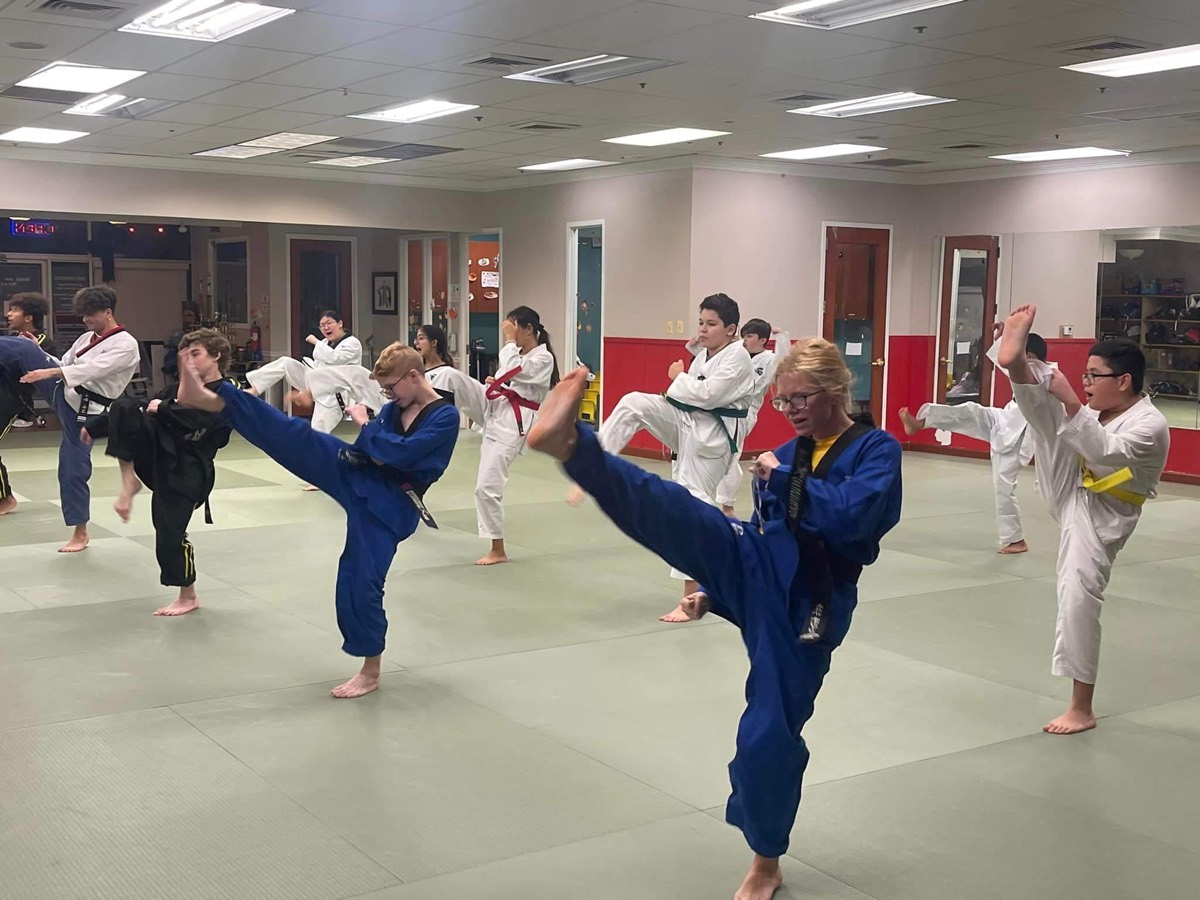
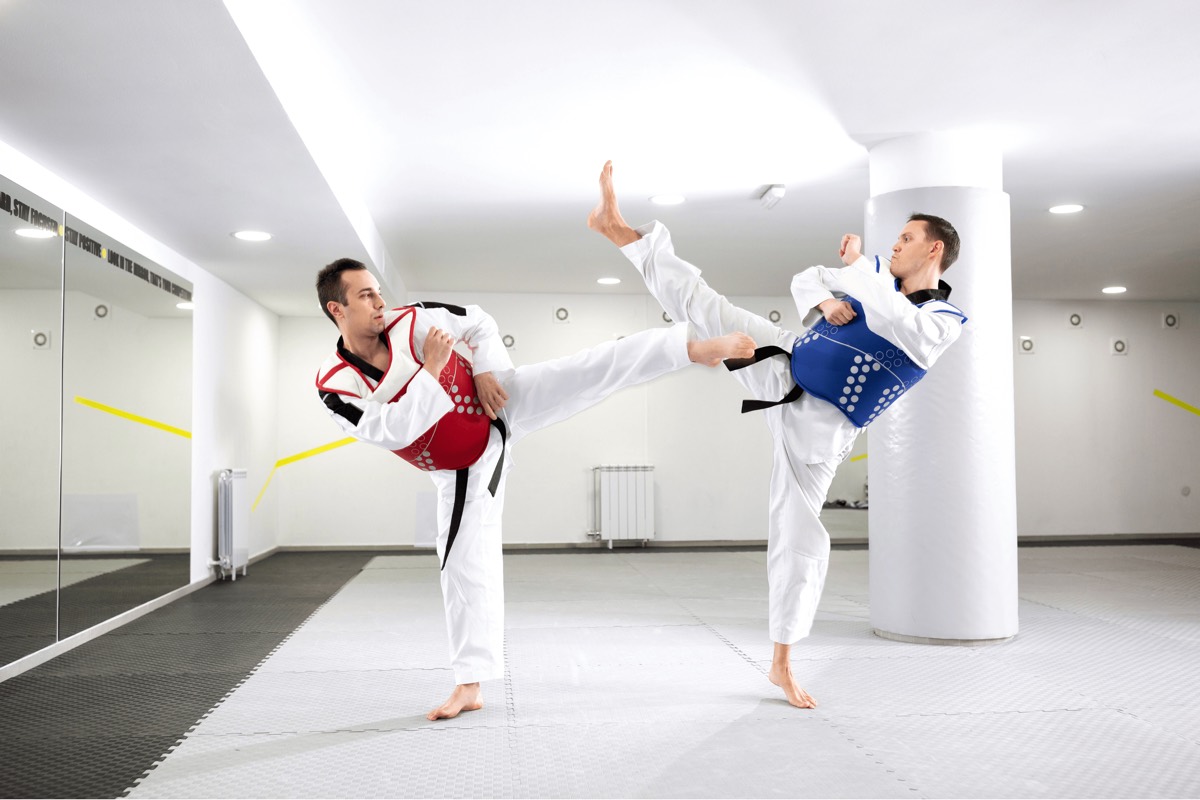
You can start martial arts as a beginner adult at any age. The “right time” is when you can show up 2 times a week, follow directions safely, and let yourself be new at something. The best approach is simple: pick a style and school that makes beginners feel normal, start with low-intensity fundamentals, and measure progress by consistency, not how high you kick on day one.
Is it too late to start martial arts as a beginner adult?
No. It’s not too late, and you don’t need an “athletic background” to belong in a martial arts class.
Adults start for the same reasons we see at the front desk every week: fitness, stress, confidence, and a hobby that isn’t another screen. The bigger question isn’t your age. It’s whether the class structure fits adult beginners. If you’re looking on behalf of your family, the way a school structures adult classes often mirrors how they decide the best age to start martial arts for a child and introduce kids to training.
Here’s the truth most people won’t say plainly: the “hardest” part is not the workout. It’s walking in for the first time and feeling awkward. If a school is used to beginners, that awkward phase is short and handled with care.
Safety-wise, you’re not guessing. If you have a medical condition or you’ve been inactive for a long time, it’s reasonable to check in with your clinician before starting a new activity, especially a contact sport. The Physical Activity Guidelines for Americans (U.S. Department of Health and Human Services) also make a useful point: even small increases in activity help, and you can start at a level that matches where you are now.
What should you look for in a martial arts style if you’re a true beginner?
Pick a style that’s taught in layers. You want a class where “basic” is a real thing, not an insult.
Different arts can work for adult beginners. What changes is how much contact, how much falling, and how the class is paced. Use this as a plain-language starting point, then visit a school and watch one class.
| Style (example) | What beginners usually do first | What to know up front |
|---|---|---|
| Taekwondo | Stances, basic kicks, forms, light partner drills | Great structure and clear curriculum. Kicking flexibility comes over time. |
| Brazilian Jiu-Jitsu | Escapes, positions, controlled sparring | More close contact and floor work. Expect soreness in places you didn’t know existed. |
| Boxing | Footwork, punches, mitt work, conditioning | Simple to start. Head contact varies by gym, ask how they handle sparring. |
| Judo | Breakfalls, throws, grips, drills | Lots of falling. A good beginner program teaches breakfalls patiently. |
If your goal is general fitness and skill without getting beat up, look for a school that separates beginner training from hard sparring and makes protective gear and contact rules very clear. For Taekwondo in particular, you can also check how it’s governed and how ranks are recorded. If a school is Kukkiwon-affiliated, for example, Kukkiwon issues certificates centrally and provides a certificate issuance and lookup service, which means rank can be verified independently of the school itself (Kukkiwon). If you’re comparing multiple dojangs for yourself or your kids, it also helps to understand how to choose a martial arts school beyond just price and location.
What happens in an adult beginner class, step by step?
A good adult beginner class looks boring to outsiders. That’s a compliment. It means it’s built for safety and repeatable progress.
Warm-up that prepares joints, not just sweat
You should see light cardio, dynamic movement, and joint prep for hips, knees, ankles, shoulders. If your knees are cranky, a coach should offer swaps. (Example: step-back lunges instead of jump squats.)
Fundamentals you repeat on purpose
Stance work. Basic strikes or kicks. Simple combinations. You’re building coordination and balance before speed.
And yes, it can feel slow.
That’s how you avoid the classic beginner injury: doing something fast before you can do it clean.
Partner drills with rules that protect beginners
Good schools use constraints. Fixed targets. Light contact. Clear “stop” signals. If a partner drill feels like a test of toughness on day one, that’s not beginner training. That’s poor coaching.
A short cooldown and guidance for soreness
You’ll be sore in the early weeks. Not injured, sore. Sleep and hydration matter here, and the basics are still the basics. The CDC’s sleep guidance is a solid reference if you’re trying to get your recovery in order.
How do you choose the right school without getting pressured?
Start with two visits: watch a class, then try a class. You’ll learn more in 30 minutes on-site than in two hours of online browsing. When you schedule that trial, it helps to know what to wear to a first martial arts class so you’re not worrying about your clothes on top of everything else.
Here’s what I’d look for if you were my neighbor asking honestly, “Where do I start?”
- They have adults on the floor who look like real adults, not only college athletes.
- The instructor corrects people without barking or shaming.
- Beginners are given a clear “first month” plan. Not vague motivation.
- They explain contact rules in plain words.
- The school is clean, mats included. Skin infections are not a rite of passage.
- They can answer “What do you do when someone has a knee or back issue?” with specifics.
If credentials matter to you, ask how ranks are tracked. In Taekwondo, a Kukkiwon dan certificate is registered with Korean headquarters, not the local school, which matters if you move or return to training years later. Kukkiwon has issued millions of certificates over time, which is part of why that credential is widely recognized (Kukkiwon). If you’re curious what that means for black belts specifically, it’s worth understanding what Kukkiwon certification actually represents.
One more practical test: ask where you should stand as a brand-new person. If the answer is “Anywhere,” that can be fine. If the answer is “Right here, so I can keep an eye on you,” that’s often better.
What should you do in your first 30 days so you don’t quit?
For most adult beginners, quitting isn’t about pain. It’s about decision fatigue. Too many choices, too much self-judgment, and no routine.
So make it stupid-simple.
- Pick two class days and protect them like appointments.
- Show up early enough to breathe, not sprint from the parking lot.
- Keep your intensity at about a 6 out of 10 for the first two weeks.
- Write down one win after class. Something concrete: “I remembered the footwork,” “I didn’t gas out,” “I asked a question.”
If you want a basic fitness target alongside training, the World Health Organization’s physical activity recommendations are a clear benchmark for adults. You don’t need to hit those numbers on day one. Use them as a direction, not a verdict.
Gear-wise, don’t overbuy. Start with what the school requires. If it’s Taekwondo, that’s usually a uniform and, later, sparring gear. Bring a water bottle you actually like using. If you’re constantly fiddling with a leaky lid, you won’t drink.
And please, don’t “train through” sharp pain.
The American Academy of Orthopaedic Surgeons has a straightforward overview of common sports injuries and warning signs that should not be ignored (AAOS sports injury guidance).
What if you’re worried about being out of shape, overweight, or anxious?
You won’t be the only one. Not even close. The beginner line has teachers, IT workers, parents, former athletes, and people who haven’t exercised in years. If you’re a parent juggling your own training with your kid’s interests, you can also use a simple checklist of signs your child is ready for martial arts so you’re not guessing for them either.
Here’s how those worries usually play out in real classes.
If you’re out of breath fast
That’s normal early on. Pace yourself and ask for modifications. A good coach will give you options without making it a big moment. Over a few weeks, your breathing catches up to the movements.
If you’re stiff or not flexible
Flexibility is a training result, not an entry requirement. You can start with lower kicks or shorter ranges. Consistent, gentle range-of-motion work beats forcing a stretch once a week.
If you’re anxious about looking foolish
Most adults feel this, then realize nobody’s watching them the way they imagine. Everyone is busy trying to remember their own steps.
If anxiety is a bigger barrier for you, the National Institute of Mental Health has a clear overview of anxiety disorders and common symptoms (NIMH on anxiety). That can help you separate “normal first-day nerves” from something that deserves more support.
How can you tell if a school is safe and legit without becoming an expert?
You don’t need to be an expert. You need a short checklist and the confidence to ask direct questions.
- Do they require a proper warm-up before kicking, sparring, or throws?
- Do they separate beginners from advanced students when needed?
- Do they explain how sparring works, and can you opt out at first?
- Is there a clear path for progress, with skills named out loud?
- Do they have first-aid basics on site and a plan if someone gets hurt?
If you’re looking at Taekwondo and you care about ranks being recognized outside one building, ask about Kukkiwon registration and verification. Kukkiwon provides a certificate issuance and lookup service, which makes rank independently verifiable (Kukkiwon). That matters in real life: people move, life gets busy, schools change ownership, and you don’t want your progress to vanish because it only existed in a local spreadsheet.
In Northern Virginia, adult beginners often want a family-friendly environment, even if they’re training solo. For context, Dynamic Kick Martial Arts has been teaching here since 2000 across Gainesville, Fair Lakes, Lansdowne, Lorton, and Kings Park West, with Kukkiwon, World Taekwondo, and USA Taekwondo accreditation. But the bigger point is universal: choose the place where you feel safe asking “basic” questions, because you’ll learn faster.
What’s a good next step if you want to start this month?
Pick one style, pick one school, and put two classes on the calendar before you talk yourself out of it. As you budget time, it can also help to look at how much martial arts can cost for a family so tuition, gear, and travel don’t surprise you later.
When you visit, tell them one thing: “I’m a true beginner, and I want a safe, structured start.” Then see how they respond. The words matter less than the tone and the plan they give you.
If you leave thinking, “I can do this twice a week,” you found a good start.
Sources
- Physical Activity Guidelines for Americans, 2nd edition (U.S. Department of Health and Human Services)
- How Much Sleep Do I Need? (CDC)
- Physical activity fact sheet (World Health Organization)
- Sports Injuries (American Academy of Orthopaedic Surgeons, OrthoInfo)
- Anxiety Disorders (National Institute of Mental Health)
- Kukkiwon official site (certificate issuance/lookup and organizational information) (Kukkiwon)